
Kathmandu | 21–22 July 2025
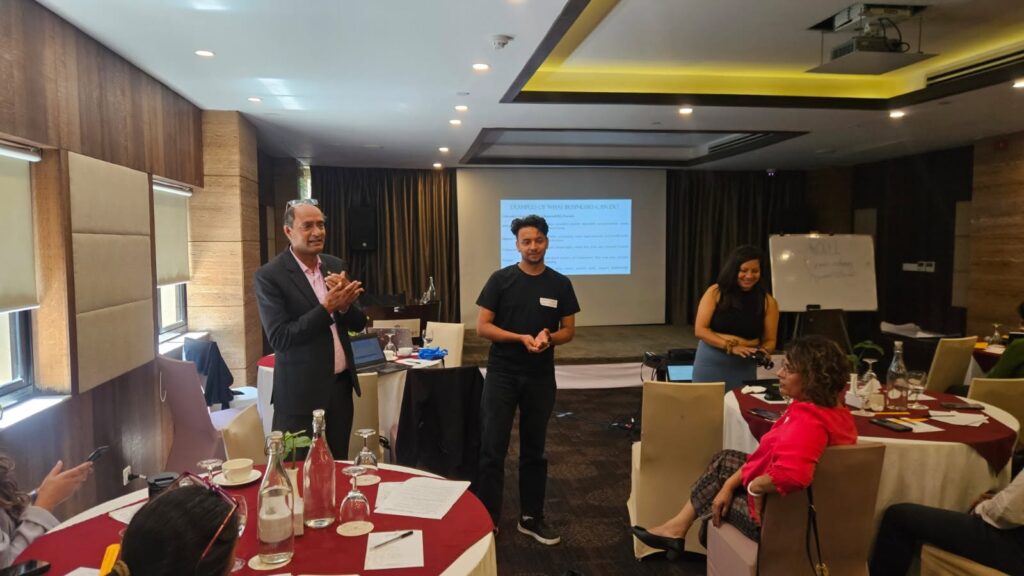
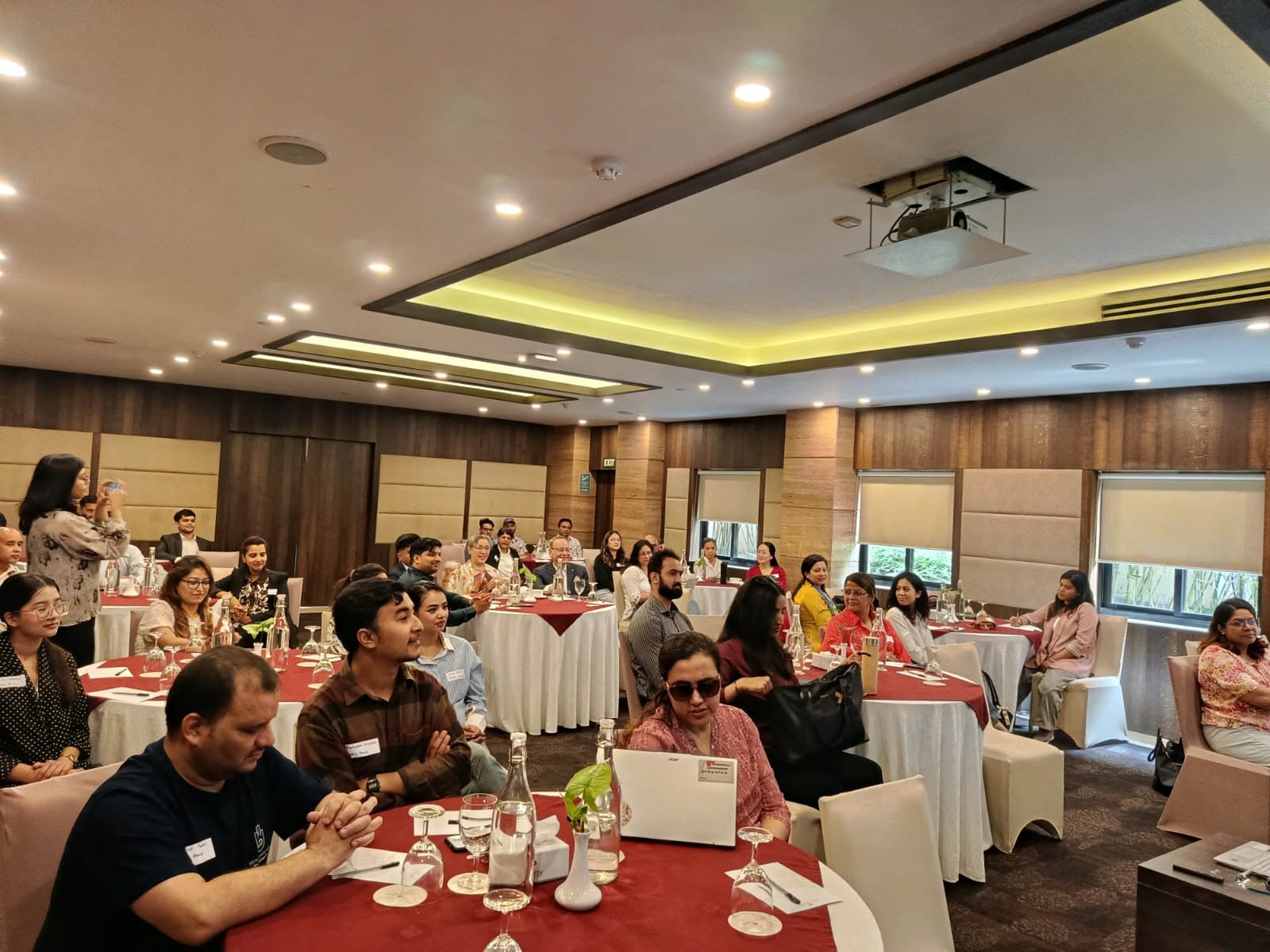
The Two-Day Business and Human Rights (BHR) Workshop, jointly organised by Global Compact Nepal and the National Business Initiative (NBI), brought together professionals, advocates, and practitioners to strengthen understanding of the relationship between business operations and human rights. The workshop provided participants with practical knowledge and tools to help businesses integrate human rights principles into their policies, operations, and decision-making processes.
Day 1: Building Foundations on Business and Human Rights
The workshop commenced on 21 July 2025 with an interactive learning session facilitated by Ms. Puspa Pokharel, a Business and Human Rights expert.
Participants were introduced to the United Nations Guiding Principles (UNGPs) on Business and Human Rights, the globally recognised framework that outlines the responsibilities of governments and businesses in protecting and respecting human rights. The session explained that while international human rights treaties primarily establish obligations for states, businesses also have an independent responsibility to respect human rights throughout their operations and value chains.
The discussions focused on the three pillars of the UN Guiding Principles:
- State Duty to Protect human rights
- Corporate Responsibility to Respect human rights
- Access to Remedy for individuals and communities affected by business-related human rights abuses
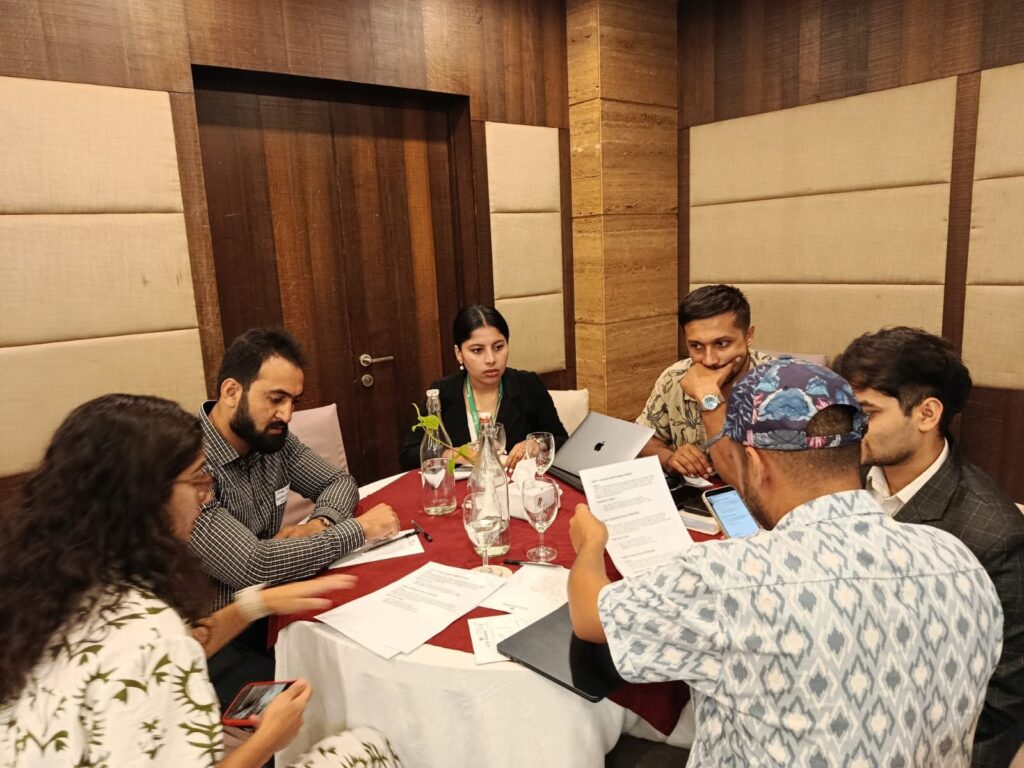
The first day featured highly interactive learning activities designed to connect theory with practice. Participants took part in rapid-fire quizzes following each session to reinforce key concepts and engaged in group exercises using hypothetical business scenarios to identify potential human rights risks.
Another key activity involved Stakeholder Impact Mapping, where participants analysed how different stakeholder groups—including workers, local communities, consumers, suppliers, and vulnerable populations—can be affected by business activities and discussed ways to minimise negative impacts.
Participants were also introduced to the core steps of Human Rights Due Diligence (HRDD), including:
- Identifying human rights risks and impacts
- Assessing and prioritising those risks
- Integrating mitigation measures into business operations
- Tracking and communicating progress
The workshop further explored international and national frameworks that support responsible business conduct, including the Business and Human Rights Standards (BHRS), OECD Guidelines for Multinational Enterprises, National Action Plans (NAPs), corporate laws aligned with the Universal Declaration of Human Rights (UDHR), and Civil Society Organisations (CSOs) working to promote accountability.
Day 2: Business Responsibility to Respect the Human Rights of Vulnerable Groups
The second day shifted its focus towards inclusion and the responsibility of businesses to respect the rights of vulnerable and marginalised communities.
The session was facilitated by Mr. Shudarson Subedi, a disability rights expert, who shared his extensive experience in promoting disability inclusion and human rights. Through engaging discussions, practical exercises, and real-life case studies, participants explored how business operations can either reinforce exclusion or become powerful drivers of equality and inclusion.
Mr. Subedi highlighted the unique challenges experienced by Indigenous Peoples, persons with disabilities, Dalits, religious minorities, Muslims, LGBTQIA+ communities, internally displaced persons, and other marginalised groups, emphasising that businesses have a responsibility to identify and address barriers that limit equal participation and opportunity.
Participants discussed issues such as inaccessible workplaces, discrimination in recruitment and employment, unequal access to services, and exclusion from business decision-making processes. The session encouraged businesses to adopt inclusive policies that respect the dignity and rights of every individual.
A key component of the workshop focused on Nepal’s National Action Plan on Business and Human Rights and the practical application of Human Rights Due Diligence (HRDD). Participants learned how businesses can systematically:
- Identify actual and potential human rights impacts
- Integrate findings into corporate policies and management systems
- Monitor the effectiveness of mitigation measures
- Communicate transparently with stakeholders
To apply these principles, participants worked in groups on a simulated case involving a garment manufacturing company. Each group developed a comprehensive Human Rights Action Plan, outlining human rights policies, risk assessments, mitigation strategies, implementation timelines, monitoring systems, and accountability mechanisms. The exercise demonstrated how businesses can proactively prevent human rights violations while promoting ethical, sustainable, and inclusive practices.
A Shared Commitment to Responsible Business
The workshop concluded with a certificate distribution ceremony, recognising participants’ active engagement throughout the two-day programme.
The event reinforced that responsible business goes beyond legal compliance and profit generation. Participants agreed that businesses play a critical role in promoting human dignity, equality, accessibility, non-discrimination, and social justice.
By strengthening awareness of the UN Guiding Principles on Business and Human Rights, Human Rights Due Diligence, and the rights of vulnerable communities, the workshop encouraged participants to champion responsible business practices that contribute to sustainable development and inclusive economic growth in Nepal.
The two-day learning experience concluded with a renewed commitment from participants to ensure that human rights remain at the centre of business decisions, creating workplaces and value chains that respect, protect, and empower everyone—especially those who are most vulnerable.