
Kathmandu, Nepal – Ability Manch, in collaboration with United Mission to Nepal (UMN), successfully conducted a comprehensive Accessibility Assessment across UMN’s central office and field clusters to evaluate the organisation’s commitment to disability inclusion and identify opportunities for strengthening accessibility and inclusive practices.
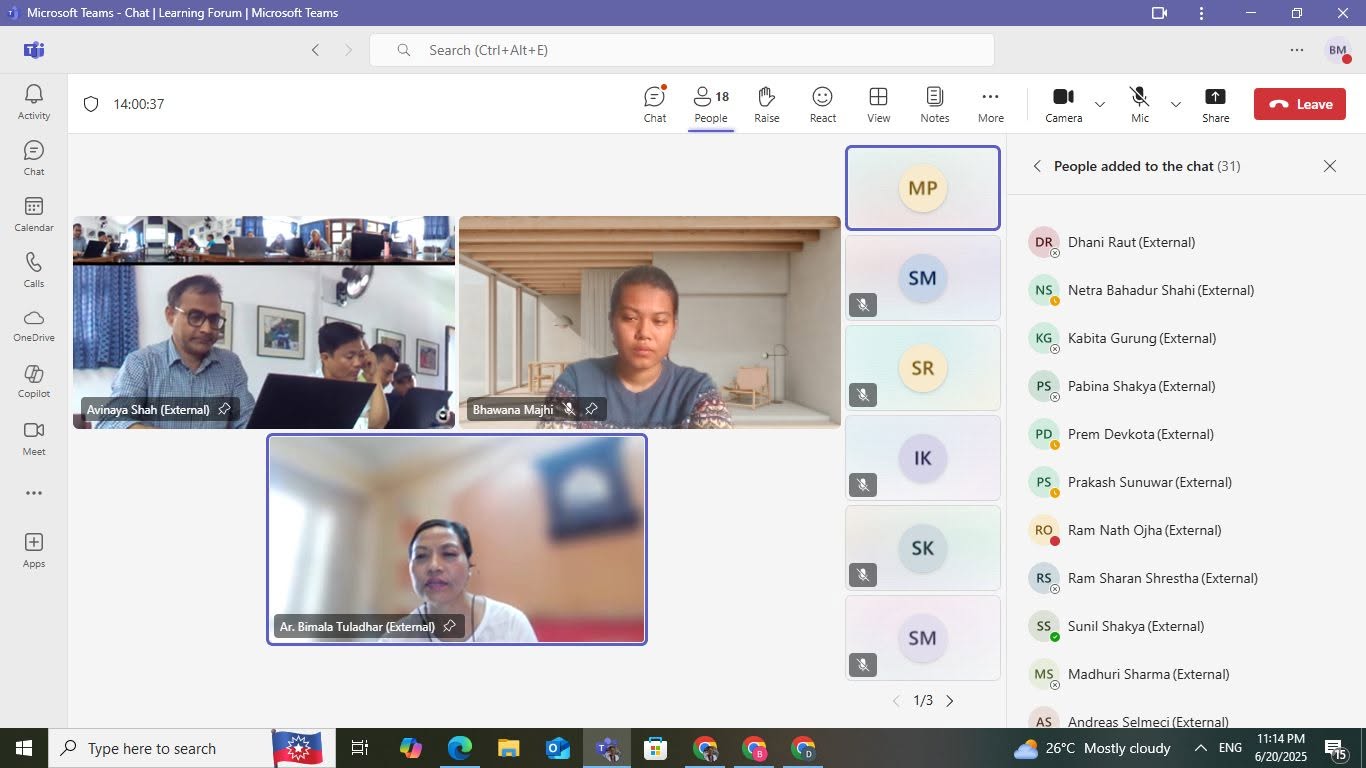
Following the completion of the assessment, Ability Manch facilitated a Zoom dissemination and validation session with UMN staff, accessibility audit experts, and the assessment team to present the key findings, highlight existing good practices, and discuss recommendations for advancing disability-inclusive programming and organisational development.
The assessment aimed to examine the extent to which persons with disabilities are included across UMN’s policies, programmes, organisational systems, infrastructure, governance, and workplace culture. It also sought to identify barriers that may limit the meaningful participation of persons with disabilities while recognising areas where the organisation has demonstrated strong commitment to disability inclusion.
Using a rights-based, participatory, and evidence-based methodology, the assessment combined several approaches, including:
- Literature and policy review
- Key informant interviews
- Consultation meetings
- Field observations
- Physical accessibility audits conducted by expert architects
- Discussions with staff and relevant stakeholders
The assessment reviewed disability inclusion across multiple organisational components, including:
- Organisational policies and governance
- Human resource management and inclusive employment practices
- Programme planning and project implementation
- Budgeting and resource allocation
- Physical infrastructure and built environment
- Information and communication systems
- Monitoring, evaluation, and learning
- Organisational culture and leadership commitment
The findings highlighted several positive practices already embedded within UMN. The organisation has demonstrated a strong institutional commitment to disability inclusion through inclusive organisational policies, accessible infrastructure improvements, disability-responsive budgeting, and community-based monitoring approaches that encourage participation and accountability.
The assessment also acknowledged UMN’s willingness to continuously learn and improve its accessibility standards, reflecting its broader commitment to ensuring that persons with disabilities can participate meaningfully in all aspects of its work.
Despite these achievements, the assessment identified several areas that require further attention. Key recommendations included strengthening the collection and use of disability-disaggregated data, enhancing collaboration with Organisations of Persons with Disabilities (OPDs), improving accessible communication standards across both physical and digital platforms, and ensuring greater representation of persons with diverse and underrepresented disabilities throughout programmes and decision-making processes.
The assessment further recommended:
- Strengthening partnerships with OPDs throughout the project cycle.
- Developing disability-specific indicators for monitoring and evaluation.
- Enhancing the capacity of staff, partners, and local stakeholders on disability inclusion.
- Improving digital accessibility of information, communication materials, and online platforms.
- Continuing regular accessibility assessments to monitor progress and ensure continuous improvement.
The dissemination session provided an opportunity for participants to reflect on the findings, validate recommendations, and collectively discuss practical strategies for integrating accessibility and disability inclusion across all levels of the organisation.
Speaking through the assessment process, Ability Manch reaffirmed that accessibility is not merely about modifying buildings or providing accommodations. It is a fundamental human rights principle that enables equal participation, dignity, and opportunity for everyone.
Accessibility benefits everyone. It creates environments where all people—regardless of disability, age, gender, or background—can access information, services, employment, education, and public spaces on an equal basis.
Ability Manch extends its sincere appreciation to the leadership and staff of United Mission to Nepal (UMN), the accessibility experts, architects, and all participants who contributed their time, expertise, and valuable insights throughout the assessment process.
The collaboration reflects a shared commitment to building organisations that are inclusive by design, responsive to diversity, and grounded in the principles of equality and human rights.
Accessibility for All
Accessibility is essential for ensuring equal access and meaningful participation.
It is not only about accommodating persons with disabilities—it is about creating environments where everyone can participate equally.
Accessibility is a necessity, not an option.
Accessibility is a right, not a privilege.